Insights & Research
Perspectives on AI, logistics technology, and the future of global supply chains.
We are proud to announce the closing of our $2.8 million seed round led by Swarm Capital. This funding accelerates our AI-powered route optimization platform and marks a major milestone in our mission to bring intelligent logistics intelligence to global supply chains.
Machine learning has moved from experimental technology to operational necessity in logistics. Supply chain teams that adopt AI-powered route optimization consistently outperform those relying on traditional constraint-based solvers in cost, speed, and resilience.
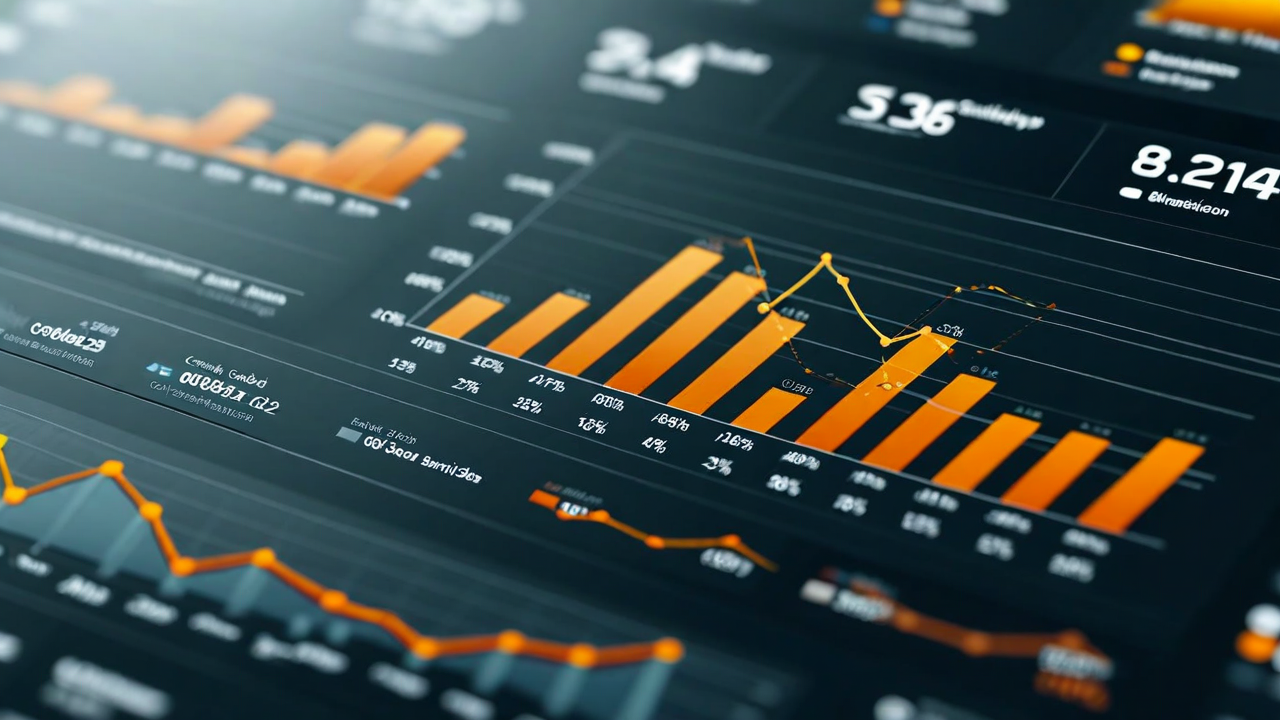
Supply chain visibility has been a buzzword for years. But the financial case for investing in real-time freight tracking has never been stronger — and the data from companies that have made the investment is now clear enough to quantify with confidence.
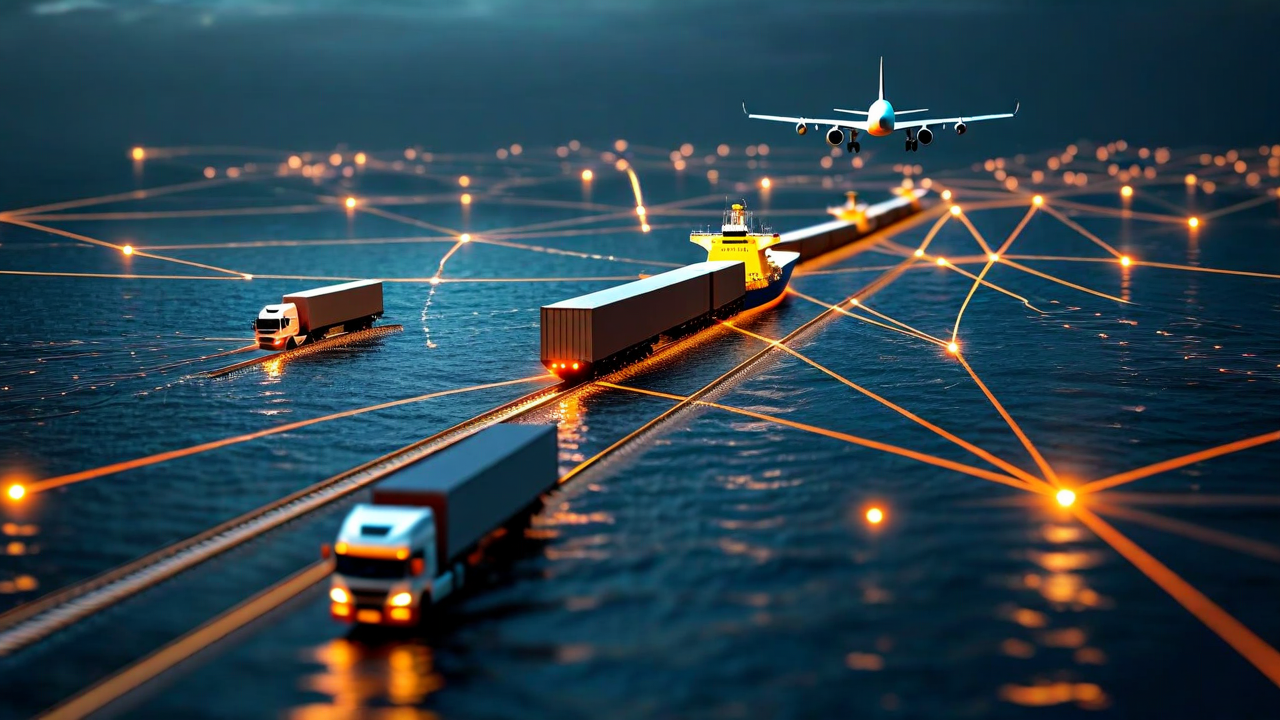
Optimizing freight across ocean, air, truckload, and rail simultaneously requires a fundamentally different architecture than single-mode route planning. Here is how multimodal AI decision engines work and why they deliver superior outcomes at scale.
Information asymmetry is the freight market's oldest problem. Carriers know what comparable shippers are paying; most shippers do not. AI-powered benchmarking is closing that gap and restoring negotiating leverage to logistics teams.
Every major supply chain disruption of the past five years shared a common characteristic: the signals were visible before the impact hit. Machine learning is finally giving logistics teams the tools to see those signals early enough to act on them.
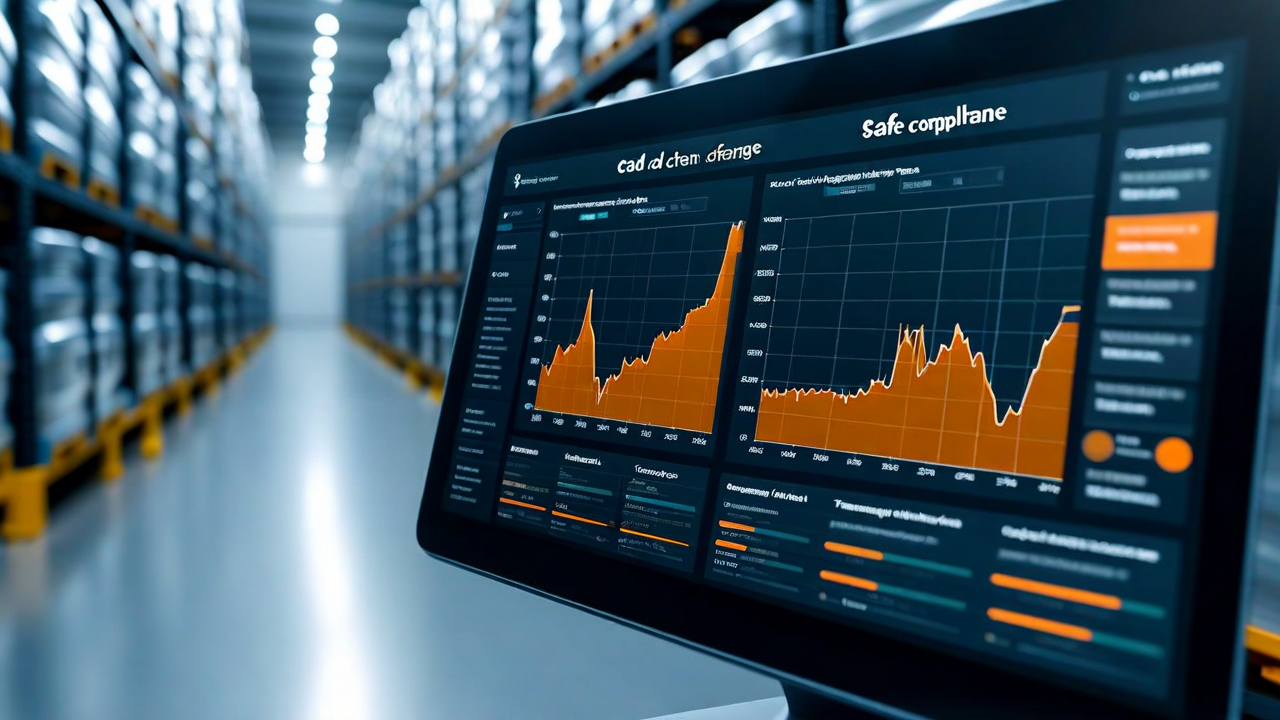
Temperature excursions in pharmaceutical and food logistics cost the industry billions annually and create serious regulatory and patient safety risks. AI-driven cold chain monitoring is changing the compliance picture fundamentally with predictive intervention capabilities.
Last-mile delivery accounts for up to 53% of total shipping costs yet covers only a fraction of total distance. AI route optimization is helping logistics teams transform urban delivery economics by reducing cost per stop and cutting carbon emissions.
Supply chain emissions represent 70-90% of most companies' Scope 3 footprint. AI-powered route optimization is one of the highest-ROI tools for reducing logistics emissions — and unlike most sustainability initiatives, it typically reduces costs at the same time.
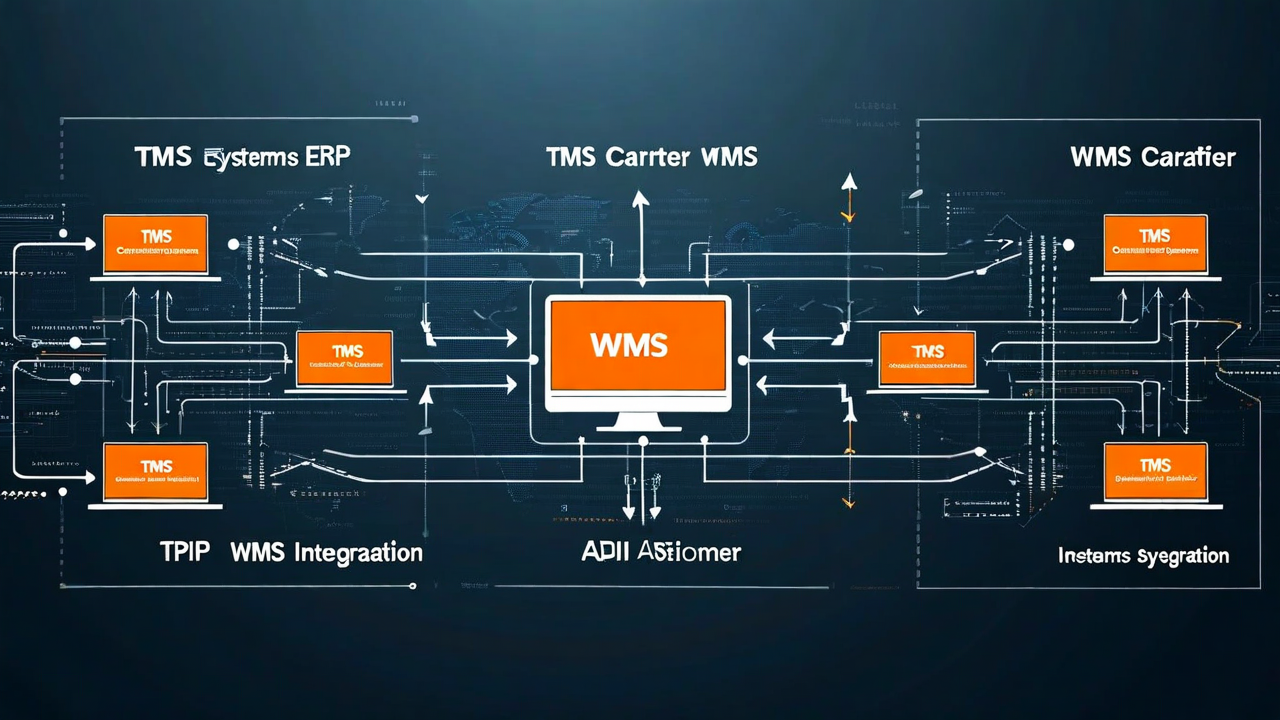
The logistics technology stack runs on data exchange. EDI and API integrations are the connective tissue connecting TMS, ERP, WMS, and carrier systems — and getting them right is the difference between a logistics platform that works and one that creates overhead.
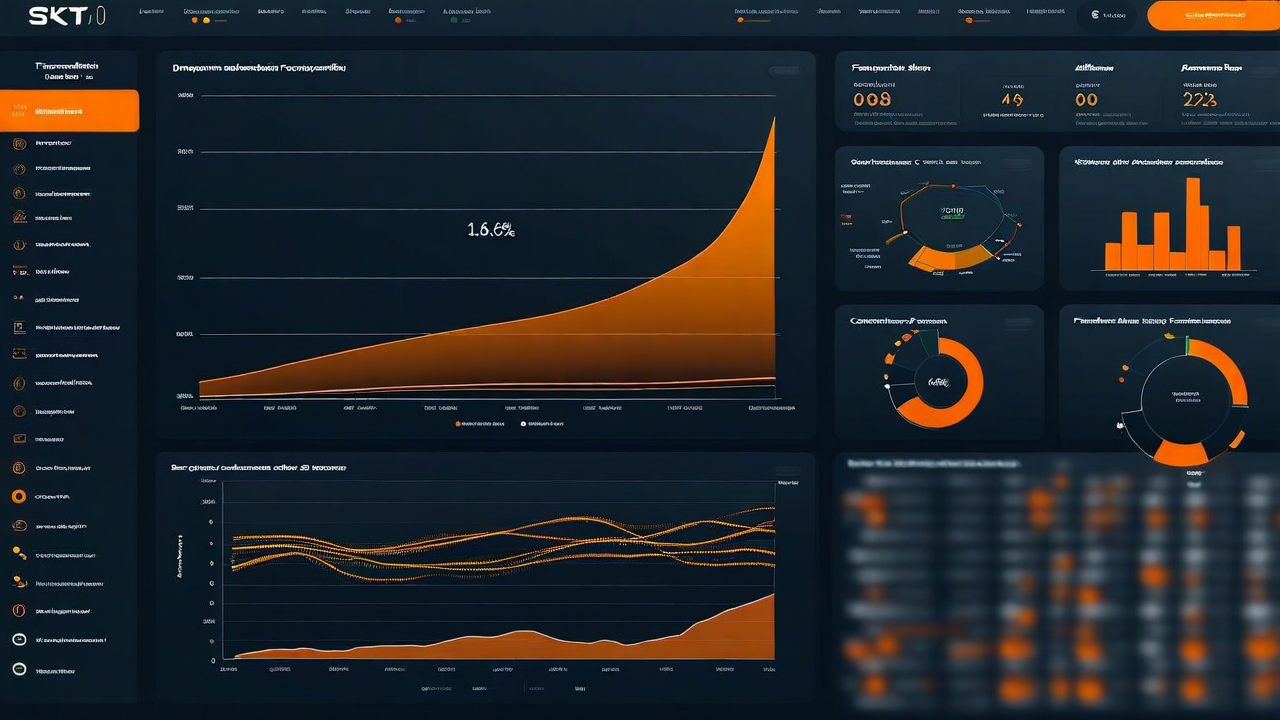
Poor demand forecasting forces a choice between two bad outcomes: too much inventory that ties up working capital, or too little that creates stockouts. AI-powered forecasting breaks this tradeoff by dramatically improving prediction accuracy at the SKU level.
Stay Current
Get the latest insights on AI, logistics technology, and supply chain optimization from our team.
We use cookies to improve your experience and analyze site traffic.
You can accept all cookies or decline non-essential ones. Cookie Policy.
 Get in Touch